Kittens meow frequently:Why do kittens meow frequently?
Q: Why do kittens meow frequently?
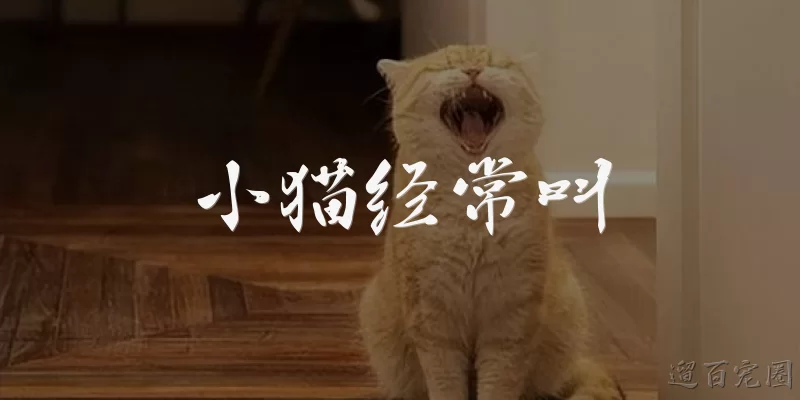
A: Kittens meow frequently primarily to communicate with their mother and later with humans. From birth, meowing signals needs such as hunger, warmth, or discomfort. As they grow, kittens learn that meowing gets attention from people, so they continue using it to request food, play, or affection. Unlike adult cats, who mainly meow at humans rather than other cats, kittens meow both at their mother and at caregivers. Frequent meowing is therefore a normal part of development, but sudden increases can indicate stress, pain, or illness, so monitoring the context is important.
Q: What are the common reasons a kitten meows often?
A: A kitten may meow often for several common reasons: hunger, wanting attention or play, feeling cold or uncomfortable, being lonely or stressed after separation, or experiencing pain. Young kittens also meow when they are hungry or when they need help with urination or defecation. If a kitten is weaned too early, it may meow more frequently for comfort. Additionally, some kittens meow simply because they have learned it works. Observing timing, body language, and recent changes helps identify the cause. Persistent or distressed meowing warrants a vet check.
Q: When should I worry about a kitten meowing frequently?
A: You should worry about frequent meowing if it is accompanied by other signs such as loss of appetite, lethargy, vomiting, diarrhea, difficulty breathing, or hiding. Meowing that sounds painful, is constant, or changes in pitch may indicate illness or injury. A kitten that suddenly starts meowing much more than usual, especially at night or when left alone, could be stressed or sick. Since kittens can deteriorate quickly, any abrupt increase in meowing with behavioral or physical changes should be evaluated by a veterinarian. Otherwise, frequent meowing is often normal communication.
Q: How can I reduce frequent meowing in a kitten?
A: To reduce frequent meowing, first ensure all basic needs are met: food, water, a clean litter box, warmth, and safe playtime. Ignore demanding meows for attention, and reward quiet behavior with praise or treats. Establish a routine for feeding, play, and sleep so the kitten feels secure. Provide interactive toys and puzzle feeders to prevent boredom. If meowing is for food, feed scheduled meals rather than on demand. For stress-related meowing, create a quiet safe space. Never punish; instead, address the underlying cause. If meowing persists, consult your vet or a behaviorist.
Q: Is frequent meowing normal in very young kittens?
A: Yes, frequent meowing is normal in very young kittens, especially during the first few weeks of life. Newborns meow to signal hunger, cold, or discomfort to their mother. As they open their eyes and become more mobile, they may meow during play or when seeking littermates. Kittens separated from their mother or littermates often meow more due to anxiety. By around 4 to 8 weeks, meowing remains a key way to communicate with humans. However, if a young kitten meows weakly and constantly while refusing to eat, it needs immediate veterinary attention.
Dialogue about
Common scenarios of "Kittens meow frequently"
【Vet】 Hi there! I heard you've been worried about your new kitten's constant meowing. How old is she?
【Owner】 She's about 9 weeks old. We brought her home a week ago, and she meows almost nonstop. Is that normal?
【Vet】 Very normal at that age. Kittens meow to communicate with their mother and littermates, but once they're separated, they often redirect those calls to humans.
【Owner】 So she's not in pain or sick?
【Vet】 Not necessarily. But we should rule out medical issues. Is she eating, drinking, and using the litter box normally?
【Owner】 Yes, all normal. She's playful too, but the meowing is relentless, especially at night.
【Vet】 Night meowing is common. Kittens are crepuscular, meaning they're most active at dawn and dusk. She might be bored or seeking comfort.
【Owner】 I try to play with her before bed, but she still cries. Could she be hungry?
【Vet】 Possibly. Kittens need frequent small meals. How often are you feeding her?
【Owner】 Three times a day, as the breeder suggested.
【Vet】 That's okay, but you might try four smaller meals. Also, leave a little food out at night if she's not overweight.
【Owner】 I'll try that. What about attention? I don't want to reward meowing by picking her up every time.
【Vet】 Good instinct. Ignoring demand meowing can help, but you must meet her needs first. Make sure she's fed, warm, and has a clean litter box.
【Owner】 So if all needs are met, I should just ignore the meows?
【Vet】 Yes, but don't ignore her completely. Provide interactive toys and a cozy bed. You can also try a warm blanket or a ticking clock to mimic littermates.
【Owner】 That's helpful. Could she be meowing because she's lonely? We're gone during the day.
【Vet】 Absolutely. Kittens are social. Consider adopting a second kitten if possible, or leave a radio on softly. But that's a big decision.
【Owner】 I see. Also, she meows when I'm preparing her food. Is that just excitement?
【Vet】 Yes, that's anticipatory meowing. It's fine to talk to her, but try to stay calm and not rush. She'll learn the routine.
【Owner】 Okay, I'll be patient. When should I worry?
【Vet】 If she stops eating, seems lethargic, has diarrhea, or meows in a distressed tone, call me. Otherwise, enjoy her chatter—she's just talking to you!