What to do if a puppy has vomiting, diarrhea, and fever:What should I do if my puppy has vomiting, diarrhea, and fever?
Q: What should I do if my puppy has vomiting, diarrhea, and fever?
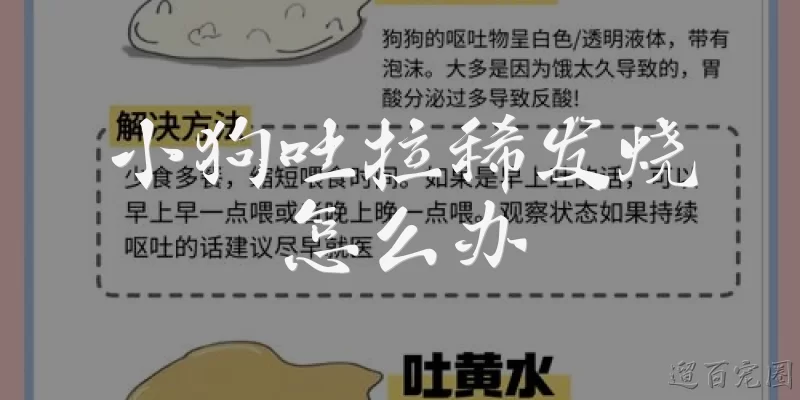
A: If your puppy has vomiting, diarrhea, and fever, this is a medical emergency. Puppies dehydrate rapidly, and fever indicates a systemic infection or inflammation. Call your veterinarian or an emergency animal hospital immediately. Do not wait to see if symptoms improve. While waiting for your appointment, keep your puppy warm and calm, and offer small amounts of water only if they are not actively vomiting. Do not give any human medications, including anti-diarrheals or fever reducers, as many are toxic to dogs. Your vet will likely run tests such as a fecal exam, blood work, and possibly X-rays or a parvovirus test. Treatment may include intravenous fluids, anti-nausea medication, antibiotics, and supportive care. If parvovirus is suspected, isolation from other dogs is critical. The sooner your puppy receives professional care, the better their chance of recovery. Never attempt home treatment for these combined symptoms.
Q: What are the common causes of vomiting, diarrhea, and fever in puppies?
A: Vomiting, diarrhea, and fever in puppies can stem from several serious conditions. The most dangerous is parvovirus, a highly contagious viral infection that often affects unvaccinated puppies and can be fatal without immediate treatment. Other causes include bacterial infections like salmonella or E. coli, intestinal parasites such as giardia or coccidia, and ingestion of toxic substances like household cleaners, human foods (e.g., chocolate, grapes), or poisonous plants. Pancreatitis, intussusception (intestinal blockage), and systemic infections like leptospirosis can also cause these symptoms. Additionally, a severe reaction to vaccines or a foreign body obstruction may present similarly. Because the combination of vomiting, diarrhea, and fever quickly leads to dehydration and electrolyte imbalance, identifying the exact cause requires veterinary diagnostics. Your vet may perform a physical exam, blood panel, fecal float, and specific tests for parvovirus or other pathogens. Early diagnosis is key to effective treatment.
Q: When should I take my puppy to the vet for vomiting, diarrhea, and fever?
A: You should take your puppy to the vet immediately—do not wait. A fever combined with vomiting and diarrhea is always an emergency in puppies because their small body size makes them prone to rapid dehydration, hypoglycemia, and shock. Even if your puppy seems only mildly lethargic, these symptoms can worsen within hours. Specific warning signs that demand emergency care include blood in the stool or vomit, a temperature above 103°F (39.4°C), refusing water, pale gums, weakness, or collapse. Puppies under six months old are especially vulnerable. If your regular vet is closed, go to a 24-hour emergency clinic. Delaying treatment can lead to organ failure or death, especially with parvovirus. During the car ride, keep your puppy warm and bring a stool sample if possible. Do not force food or water. Once at the clinic, be honest about possible exposures (dog parks, other dogs, garbage ingestion) to help your vet diagnose quickly.
Dialogue about
Common scenarios of "What to do if a puppy has vomiting, diarrhea, and fever"
【Pet Owner】 Hi, I'm really worried. My 4-month-old puppy has been vomiting, has diarrhea, and feels very hot. What should I do?
【Veterinarian】 I'm sorry to hear that. Those symptoms can be serious in puppies. First, check his temperature with a rectal thermometer if you have one. What's the reading?
【Pet Owner】 I don't have a thermometer. But he feels very warm, and he's shivering. He also seems lethargic.
【Veterinarian】 Lethargy and shivering are concerning. You should take him to a vet immediately. In the meantime, ensure he stays hydrated. Has he been drinking water?
【Pet Owner】 He's not interested in water. I tried giving him some, but he refused.
【Veterinarian】 That's a bad sign. Dehydration can worsen quickly. If you have a syringe, you can try to gently squirt a small amount of water or an electrolyte solution into his mouth, but don't force it if he resists.
【Pet Owner】 Okay, I'll try. But what could be causing this? He was fine yesterday.
【Veterinarian】 It could be many things: viral infections like parvovirus, bacterial infections, parasites, or even something he ate. Has he been vaccinated?
【Pet Owner】 He had his first shots but not all yet. He's due for more next week.
【Veterinarian】 Parvovirus is a major concern in unvaccinated puppies. It's highly contagious and can be fatal. You need to get him to a vet now for testing and treatment.
【Pet Owner】 I'm really scared. What will the vet do?
【Veterinarian】 They'll likely run tests, including a parvo test, and may start intravenous fluids and medication to control vomiting and diarrhea. Early treatment is key.
【Pet Owner】 Should I try to feed him? He hasn't eaten since yesterday.
【Veterinarian】 No, don't feed him. Food can irritate his stomach and worsen vomiting. Withhold food until the vet advises. Focus on hydration.
【Pet Owner】 Okay. I'm on my way to the emergency vet now. Is there anything else I should do?
【Veterinarian】 Keep him warm and comfortable. Bring a stool sample if possible. And try to collect a urine sample too. The vet will need those for diagnosis.
【Pet Owner】 I'll try. What about my other dog at home? Could he get sick?
【Veterinarian】 Yes, if it's infectious, it can spread. Isolate the sick puppy and disinfect any areas he's been. Wash your hands thoroughly. Keep the other dog away until you know the diagnosis.
【Pet Owner】 I'll do that. Thanks for the advice. I'll update you after the vet visit.
【Veterinarian】 Please do. I hope your puppy feels better soon. Remember, quick action is crucial. Good luck!