Small stool in jelly-like state:What does it mean when someone describes a small stool in a jelly-like state?
Q: What does it mean when someone describes a small stool in a jelly-like state?
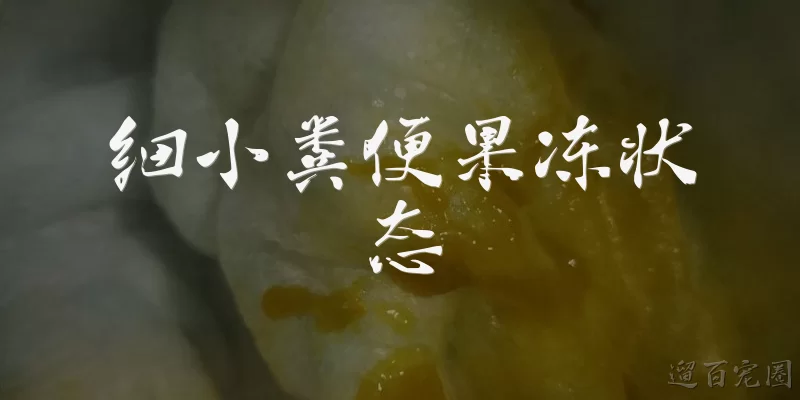
A: When someone describes a small stool in a jelly-like state, they are typically referring to the consistency of their bowel movement. A jelly-like stool is soft, gelatinous, and may resemble mucus or gelatin. This type of stool can appear in various situations, such as mild gastrointestinal upset, changes in diet, or temporary infections. It's not necessarily a sign of a serious condition, but persistent jelly-like stools may indicate an issue like irritable bowel syndrome, malabsorption, or inflammation. In medical contexts, the term 'small stool in jelly-like state' might also describe a specific sample being examined for diagnostic purposes, such as in parasitology or microbiology, where the consistency helps identify certain organisms or conditions. If this occurs frequently, consulting a doctor is advisable.
Q: What are common causes of small jelly-like stools in adults?
A: Common causes of small jelly-like stools in adults include dietary factors, infections, and gastrointestinal conditions. Eating a low-fiber diet or consuming artificial sweeteners can alter stool consistency. Viral or bacterial infections may produce mucus, giving stools a jelly-like appearance. Irritable bowel syndrome (IBS) and inflammatory bowel diseases (IBD) like Crohn's disease or ulcerative colitis often cause mucus in stool. Additionally, malabsorption disorders such as celiac disease or pancreatic insufficiency can lead to gelatinous stools. Stress and anxiety also affect gut motility and mucus production. In some cases, a small jelly-like stool might be a one-time occurrence due to a minor upset, but if it persists for more than a few days or is accompanied by pain, blood, or weight loss, medical evaluation is recommended to rule out serious conditions.
Q: Is a small stool in a jelly-like state a sign of a parasitic infection?
A: A small stool in a jelly-like state can sometimes be a sign of a parasitic infection, but it is not definitive. Certain parasites, such as Giardia, Entamoeba histolytica, or Cryptosporidium, can cause diarrhea with mucus, leading to jelly-like stools. These infections often come with other symptoms like abdominal cramps, bloating, nausea, and fatigue. However, jelly-like stools are more commonly associated with non-infectious causes like IBS or dietary changes. To confirm a parasitic infection, a healthcare provider would need to examine a stool sample under a microscope for parasites or their eggs. Therefore, while jelly-like stools may raise suspicion, they alone are not enough to diagnose a parasitic infection. Proper testing and medical advice are essential.
Q: When should I worry about a small jelly-like stool?
A: You should worry about a small jelly-like stool if it persists for more than a few days, occurs frequently, or is accompanied by other concerning symptoms. Seek medical attention if you notice blood or pus in the stool, severe abdominal pain, fever, unexplained weight loss, or signs of dehydration. These could indicate a serious condition such as inflammatory bowel disease, a severe infection, or even colorectal cancer. Additionally, if the jelly-like stool is the only symptom but lasts for weeks, it's worth investigating. In many cases, occasional jelly-like stools are harmless and resolve on their own. However, keeping a diary of your bowel habits and symptoms can help your doctor determine the cause. Early evaluation is key to ruling out serious issues.
Words of experience
Common scenarios of "Small stool in jelly-like state"
【Interviewer】 Good morning, Dr. Chen. Thank you for joining us. Could you start by explaining what exactly a 'small stool in jelly-like state' means?
【Dr. Chen】 Good morning. Of course. A 'small stool in jelly-like state' refers to feces that have a gelatinous, mucus-like consistency, often resembling jelly or gelatin. It's not the typical solid, formed stool. This can be a sign of various gastrointestinal issues.
【Interviewer】 What are the common causes of jelly-like stool in adults?
【Dr. Chen】 Common causes include infections, inflammatory bowel diseases like Crohn's or ulcerative colitis, irritable bowel syndrome, and sometimes dietary factors. Mucus in stool can also be a result of intestinal inflammation or malabsorption.
【Interviewer】 How does it differ from normal stool? What should people look out for?
【Dr. Chen】 Normal stool is usually brown, well-formed, and sinks. Jelly-like stool is often accompanied by mucus, may be clear or whitish, and can be a sign of excess mucus production in the intestines. People should watch for accompanying symptoms like abdominal pain, diarrhea, or blood.
【Interviewer】 Is it always a cause for concern? When should someone see a doctor?
【Dr. Chen】 Not always. Occasionally, it can happen due to minor irritation. But if it persists for more than a few days, or if there's blood, severe pain, fever, or weight loss, it's important to see a doctor. It could indicate a more serious condition.
【Interviewer】 Can diet cause jelly-like stool? For example, certain foods?
【Dr. Chen】 Yes, certain foods can irritate the gut and lead to excess mucus. For instance, spicy foods, dairy if you're lactose intolerant, or artificial sweeteners. Also, a low-fiber diet can contribute. But it's often multifactorial.
【Interviewer】 What about in children? Is jelly-like stool more common or dangerous in kids?
【Dr. Chen】 In children, jelly-like stool can be a sign of intussusception, a serious condition where part of the intestine folds into itself. It's often described as 'currant jelly' stool. This requires immediate medical attention. Other causes include infections or allergies.
【Interviewer】 How is the underlying cause diagnosed?
【Dr. Chen】 Diagnosis involves a thorough history, physical exam, and tests like stool cultures, blood tests, colonoscopy, or imaging. The approach depends on the suspected cause. For example, if infection is suspected, stool samples are analyzed.
【Interviewer】 Are there any home remedies or lifestyle changes that can help?
【Dr. Chen】 Yes, staying hydrated, eating a balanced diet with plenty of fiber, and avoiding irritants like caffeine and alcohol can help. Probiotics might also support gut health. But if symptoms persist, medical evaluation is key.
【Interviewer】 Can stress or anxiety lead to jelly-like stool?
【Dr. Chen】 Absolutely. Stress can affect gut motility and mucus production. It's part of the gut-brain axis. Managing stress through relaxation techniques, exercise, and adequate sleep can improve symptoms.
【Interviewer】 What are some red flags that indicate a medical emergency?
【Dr. Chen】 Red flags include severe abdominal pain, vomiting, blood in stool, high fever, dehydration, and in children, lethargy or inconsolable crying. These warrant immediate medical attention.
【Interviewer】 Thank you, Dr. Chen. This has been very informative. Any final thoughts?
【Dr. Chen】 You're welcome. I'd like to emphasize that while occasional jelly-like stool might not be serious, it's always better to err on the side of caution and consult a healthcare professional if you're concerned. Early detection can make a big difference.
【Interviewer】 Thank you again. We'll be sure to share this valuable information with our audience.
【Dr. Chen】 My pleasure. Stay healthy!