Cat dental calculus:What causes dental calculus on a cat's teeth?
Q: What causes dental calculus on a cat's teeth?
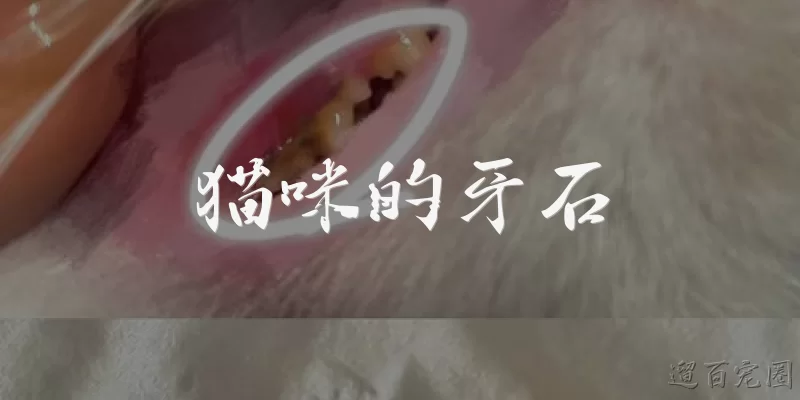
A: Feline dental calculus, also called tartar, forms when plaque mineralizes on the tooth surface. Plaque is a soft film of bacteria, food particles, and saliva that builds up within hours of eating. If it is not regularly removed by chewing abrasive food, brushing, or professional cleaning, minerals in saliva—primarily calcium and phosphate—bind to the plaque and harden it into calculus. This process typically takes 24 to 72 hours to begin and continues to accumulate over weeks and months. Contributing factors in cats include a diet of soft or canned food with little mechanical scrubbing, lack of home dental care, genetics that affect saliva composition, crowded or misaligned teeth, and underlying conditions such as gingivitis or reduced grooming. Calculus itself is porous and rough, so it provides an ideal surface for more plaque and bacteria to attach, creating a cycle that worsens over time. It most commonly appears on the outer surfaces of the upper molars and premolars, where salivary ducts open near the teeth. Because calculus cannot be brushed away once it hardens, prevention focuses on daily plaque control and regular veterinary dental checkups.
Q: How can I remove dental calculus from my cat's teeth safely?
A: You cannot safely remove hardened calculus from a cat's teeth at home. Scaling tools sold for home use can scratch enamel, damage gums, and leave microscopic ridges that make new plaque stick even faster. More importantly, the visible tartar is only part of the problem; calculus extending below the gumline causes periodontal disease, and only a veterinarian can assess and clean that area. The safe approach is a professional dental cleaning under general anesthesia, which includes ultrasonic and hand scaling above and below the gumline, polishing, and dental X-rays to check for hidden problems. Afterward, prevent recurrence with daily brushing using cat-safe enzymatic toothpaste, dental diets or treats with the Veterinary Oral Health Council (VOHC) seal, and plaque-control water additives or gels recommended by your vet. Never use human toothpaste, which can be toxic to cats, and never attempt to chip tartar off with fingernails or metal instruments. If your cat has heavy tartar, bad breath, red gums, or difficulty eating, book a veterinary exam promptly. Your vet can stage the dental disease and recommend the right cleaning schedule, often every 6 to 12 months for cats prone to tartar buildup.
Q: Is dental calculus dangerous for cats, and can it be prevented?
A: Yes, dental calculus is more than a cosmetic issue and can harm a cat's health. Its rough, porous surface harbors bacteria that inflame the gums (gingivitis) and progress to periodontitis, which destroys the bone and ligaments supporting the teeth. This can lead to tooth loss, pain, and difficulty eating. Chronic oral bacteria can also enter the bloodstream and have been linked to kidney, heart, and liver changes in pets, and dental disease is one of the most common conditions diagnosed in adult cats. Prevention is very effective when started early. Brush your cat's teeth daily or at least several times a week with feline enzymatic toothpaste and a soft finger brush. Feed a VOHC-accepted dental diet or dental treats that mechanically scrub the teeth, and ask your vet about plaque-control sealants, gels, or water additives. Schedule regular veterinary dental exams, and consider professional cleanings before tartar becomes heavy. Start handling your cat's mouth while it is young so brushing becomes routine. With consistent home care and checkups, most cats can keep calculus minimal and avoid painful dental disease.
Words of experience
Common scenarios of "Cat dental calculus"
【Veterinarian】 Good morning! I see you've brought Mimi in today. What seems to be the concern?
【Owner】 Hi! I noticed some yellowish-brown crust around her back teeth, and her breath has gotten pretty bad lately. I'm worried it might be tartar.
【Veterinarian】 Good observation. Let me take a look. Yes, that hard brownish deposit along the gumline is dental calculus, also called tartar. It's mineralized plaque.
【Owner】 Is that dangerous for her, or just a cosmetic issue?
【Veterinarian】 It's more than cosmetic. Tartar harbors bacteria that cause gingivitis, and over time it can lead to periodontal disease, tooth loss, and even affect the heart and kidneys.
【Owner】 Oh wow, I didn't realize it could affect other organs. How does that happen?
【Veterinarian】 Bacteria from the gums can enter the bloodstream and deposit in organs. That's why dental care is part of overall health, not just about clean teeth.
【Owner】 That's concerning. So how do we treat the tartar that's already there?
【Veterinarian】 The tartar needs to be removed professionally. We'd do a dental cleaning under anesthesia, including scaling and polishing, and possibly dental X-rays.
【Owner】 Anesthesia sounds a bit scary. Is it really necessary?
【Veterinarian】 It is, because scaling below the gumline is painful and impossible to do safely on an awake cat. We do pre-anesthetic bloodwork to minimize risk.
【Owner】 Okay, that makes sense. Can I prevent it from coming back after the cleaning?
【Veterinarian】 Absolutely. Daily brushing with pet-safe toothpaste is the gold standard. Dental diets, chews, and water additives can help too.
【Owner】 Mimi is not a fan of having her mouth touched. Any tips for brushing?
【Veterinarian】 Start slow. Let her lick the toothpaste first, then gently touch her teeth with a finger, and gradually introduce a soft brush over a few weeks.
【Owner】 That's helpful. Are there signs I should watch for that mean tartar is building up again?
【Veterinarian】 Watch for bad breath, yellow-brown deposits, red gums, drooling, or pawing at the mouth. And bring her in for checkups every six to twelve months.
【Owner】 Got it. Is there a particular age when tartar becomes more common?
【Veterinarian】 It's more common after age three, and certain breeds and cats fed only soft food are at higher risk. But prevention helps at any age.
【Owner】 Thank you so much. I feel much better about the plan now.
【Veterinarian】 You're welcome! Let's get Mimi scheduled for her cleaning and we'll go over home care in detail afterward.