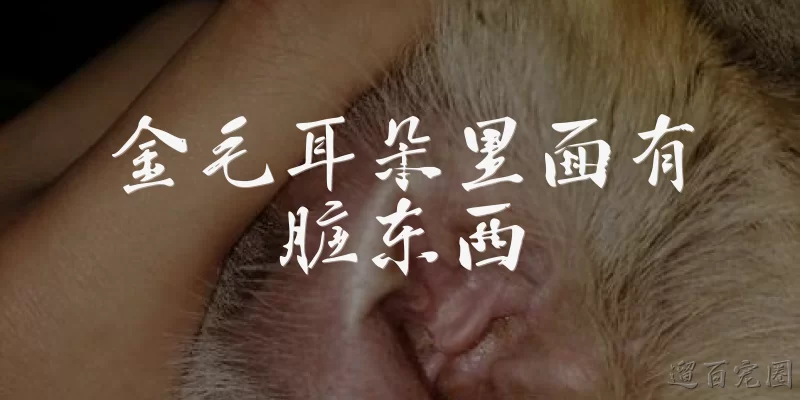
There is dirt inside the Golden Retriever's ears:Why does my Golden Retriever have dirt inside its ears?
Q: Why does my Golden Retriever have dirt inside its ears?
A: Golden Retrievers are prone to ear issues because their heavy, floppy ears trap moisture, dirt, and debris. The dirt you see could be normal soil from outdoor play, but it might also be earwax mixed with yeast or bacteria. If the dirt is dark brown or black and resembles coffee grounds, it could indicate ear mites. Allergies, especially to pollen or food, often cause excess wax production that attracts dirt. Additionally, swimming or bathing without properly drying the ears creates a warm, damp environment where dirt and microorganisms thrive. Regular inspection and gentle cleaning with a vet-approved ear cleaner can help, but if you notice odor, redness, or head shaking, see your veterinarian to rule out infection.
Q: How can I safely remove dirt from inside my Golden Retriever's ears?
A: First, never insert cotton swabs or sharp objects into the ear canal, as this can push dirt deeper or injure the eardrum. Instead, use a veterinarian-recommended ear cleaning solution. Fill the ear canal with the solution, then gently massage the base of the ear for 20-30 seconds to loosen debris. Let your dog shake its head to expel the liquid and dirt. Wipe away the loosened dirt and excess solution from the outer ear with a clean cotton ball or gauze. For heavy dirt, repeat once daily for a few days. If the dirt is sticky or has a foul odor, or if the ear is red or painful, stop and consult your vet. Never use hydrogen peroxide or alcohol, as they can irritate the ear canal.
Q: When should I worry about dirt in my Golden Retriever's ears?
A: You should worry if the dirt is accompanied by other signs. If your Golden Retriever frequently shakes its head, scratches its ears, or rubs them against furniture, that suggests irritation. A bad smell, redness, swelling, or discharge (yellow, green, or black) indicates infection. If the dirt looks like coffee grounds, ear mites are likely. Also, if your dog yelps when you touch its ears or seems off-balance, see a vet immediately. Chronic dirt buildup can lead to otitis externa, which is painful and can spread to the middle ear. Even without these signs, if home cleaning doesn't clear the dirt within a week, a veterinary exam is wise to check for underlying allergies or anatomical issues that trap debris.
Q: Can dirt in a Golden Retriever's ears cause an infection?
A: Yes, dirt itself doesn't directly cause infection, but it creates an ideal environment for bacteria and yeast to overgrow. The dirt absorbs moisture and organic matter, making the ear canal warm, dark, and humid. This allows microorganisms to multiply. If the dirt scratches the delicate ear lining, it opens the door for infection. Additionally, dirt can block airflow, preventing the ear from self-cleaning. Golden Retrievers with allergies or hypothyroidism are more susceptible. Signs of infection include odor, redness, swelling, pain, and discharge. To prevent this, clean your dog's ears regularly, especially after swimming or playing in dirt. If you suspect an infection, do not use home remedies; see your vet for a proper diagnosis and prescription medication.
Words of experience
Common scenarios of "There is dirt inside the Golden Retriever's ears"
【Veterinarian】 Hi, what brings you and your Golden Retriever in today?
【Owner】 Hi Doctor. I noticed there's some dark dirt inside my Golden Retriever's ears. It looks pretty gross.
【Veterinarian】 I see. How long has it been like that? And has your dog been scratching its ears or shaking its head?
【Owner】 Maybe for a week or so. Yes, he's been shaking his head a lot and scratching his left ear with his paw.
【Veterinarian】 That sounds like it could be ear mites or a yeast infection. The dirt might actually be earwax mixed with debris. Let me take a look with an otoscope.
【Owner】 Sure, go ahead. Is it painful for him?
【Veterinarian】 It might be a bit uncomfortable, but I'll be gentle. ... Okay, I can see a lot of dark, coffee-ground-like discharge. That's classic for ear mites. Have you noticed any other pets at home scratching?
【Owner】 We have a cat. She doesn't seem itchy, but maybe she's a carrier?
【Veterinarian】 Yes, ear mites are highly contagious between pets. The cat could be asymptomatic or have mild symptoms. We'll need to treat all pets in the household.
【Owner】 Oh no. So what's the treatment? Can I just clean his ears at home?
【Veterinarian】 Cleaning alone won't kill the mites. I'll prescribe an ear mite medication, usually a topical solution applied in both ears for 7-10 days. Also, clean the ears gently before applying to remove debris.
【Owner】 How do I clean them safely? I don't want to hurt him.
【Veterinarian】 Use a vet-approved ear cleaner and cotton balls. Never use Q-tips inside the ear canal. Squeeze the cleaner into the ear, massage the base for 20 seconds, then let him shake his head and wipe away the debris with a cotton ball.
【Owner】 Got it. And should I treat the cat too?
【Veterinarian】 Yes, even if the cat shows no symptoms, treat her with the same medication to prevent reinfestation. Also wash all pet bedding in hot water.
【Owner】 Okay. What about the dirt—will it go away completely?
【Veterinarian】 Yes, with consistent treatment, the dirt and mites will clear up. But if the ear becomes red, swollen, or has pus, bring him back—it could be a secondary bacterial infection.
【Owner】 Thanks, Doctor. I'll start the treatment today. How soon should I see improvement?
【Veterinarian】 You should see less scratching and shaking within 2-3 days. The dirt will gradually disappear over a week or two. Finish the full course even if it looks better early.
【Owner】 Understood. I'll also schedule a recheck in two weeks. Thanks for your help!