Chinese Rural Husky Mix:What is a Chinese Rural Husky Mix, and how did this type of dog come to exist?
Q: What is a Chinese Rural Husky Mix, and how did this type of dog come to exist?
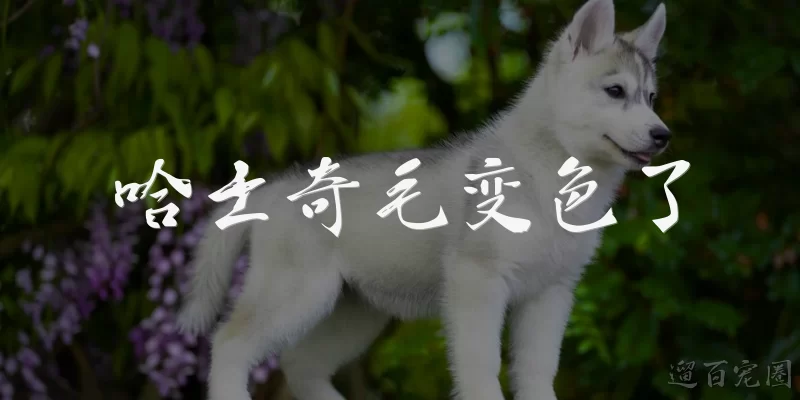
A: A Chinese Rural Husky Mix is typically a cross between a Siberian Husky and a native Chinese rural dog, often referred to as a Tugou or Chinese native dog. These mixes usually arise accidentally in rural areas where free-roaming Huskies meet local dogs, or intentionally by breeders seeking a hardy, adaptable companion. The resulting dogs often inherit the Husky's striking blue eyes, mask, and thick double coat, combined with the rural dog's resilience, lower prey drive, and ability to thrive on modest food. They are not a standardized breed, so appearance and temperament vary widely. In recent years, as Husky ownership has grown in China, more of these mixes have appeared in shelters and rescues, especially in northern regions where both parent types are common.
Q: What are the typical physical and behavioral traits of a Chinese Rural Husky Mix?
A: Physically, a Chinese Rural Husky Mix often has a medium to large build, erect or semi-erect ears, a dense double coat, and a tail that may curl or hang. Eye color can be blue, brown, or heterochromic. Behaviorally, these mixes tend to be energetic, intelligent, and independent, but they may be more reserved with strangers than a purebred Husky due to the rural dog's guarding instincts. They often have a strong pack drive and can be dog-selective. Because rural dogs are bred for survival rather than appearance, these mixes are usually healthier and less prone to inherited diseases like hip dysplasia or eye defects. They need daily exercise, mental stimulation, and early socialization. Without proper training, their Husky side can lead to escape attempts and stubbornness, while their rural side may make them alert and territorial.
Q: Are Chinese Rural Husky Mixes suitable as family pets, and what care do they require?
A: Yes, with the right family, a Chinese Rural Husky Mix can be a wonderful pet. They are loyal, playful, and good with children if socialized early. However, they are not ideal for first-time owners or apartment living without ample exercise. They need at least one to two hours of vigorous activity daily, such as running, hiking, or structured play. Their double coat requires brushing two to three times a week, more during shedding season. They should be kept on a leash or in a securely fenced yard because their Husky heritage makes them prone to roaming. Routine vet care, heartworm prevention, and a high-quality diet are essential. Training should be positive and consistent, as they can be stubborn. Given their mixed background, individual temperament varies, so meeting the dog before adoption is strongly recommended.
Q: What are the ethical considerations and adoption challenges for Chinese Rural Husky Mixes?
A: Ethically, acquiring a Chinese Rural Husky Mix should prioritize adoption over buying, as many end up in shelters due to owners unprepared for their energy and shedding. In China, these mixes are often overlooked because they are not purebred, and some rural areas still cull or neglect unwanted dogs. Responsible adoption involves checking local rescues, ensuring the dog is spayed or neutered, and providing a lifetime commitment. Challenges include limited breed-specific health history, potential behavioral issues from poor early socialization, and landlord restrictions against Huskies or mixes. Additionally, some Chinese Rural Husky Mixes may have a strong prey drive toward small animals. Prospective owners should research local leash laws and be prepared for a dog that may not fit the typical Husky look or temperament. Supporting rescue groups that rehabilitate these mixes is a compassionate choice.
Words of experience
Common scenarios of "Chinese Rural Husky Mix"
【Traveler】 Hi, I'm traveling through rural China and I keep seeing these dogs that look like Huskies but mixed. What are they?
【Local】 Oh, you mean the 'rural Husky mixes'? They're everywhere here. Usually a mix of Siberian Husky and local village dogs, like the Chinese rural dog or sometimes even Tibetan Mastiff mixes.
【Traveler】 Interesting! How did Huskies end up in rural areas? I thought they were mostly in colder regions or as pets in cities.
【Local】 Well, Huskies became popular as pets in Chinese cities about 10-20 years ago. But some escaped or were abandoned, and they bred with local dogs. Over time, their offspring adapted to rural life.
【Traveler】 So they're basically strays? Do people here adopt them?
【Local】 Some are strays, but many are taken in by villagers. They're valued as guard dogs and companions. They're hardy and can handle the cold winters here.
【Traveler】 What do they look like typically? I've seen some with blue eyes and others with brown.
【Local】 Yeah, they often have the Husky's blue eyes or heterochromia, but their coats are usually shorter and thicker, suited for the local climate. They can be any color, but black and white or gray and white are common.
【Traveler】 Are they friendly? I'm thinking of approaching one.
【Local】 They can be wary of strangers at first because they're protective. But if you're calm and let them sniff you, they might warm up. Just don't run towards them.
【Traveler】 Got it. What about their temperament? Are they more like Huskies or local dogs?
【Local】 A mix. They have the Husky's energy and sometimes stubbornness, but they're also more independent and resilient like village dogs. They're smart and can be trained, but they need space to run.
【Traveler】 Do they have any health issues from the mix?
【Local】 Generally they're healthier than purebreds due to hybrid vigor. But some might inherit Husky's eye problems or hip dysplasia. Most are pretty robust though.
【Traveler】 That's good to hear. Are they used for anything specific, like herding or sledding?
【Local】 Not really sledding here, but they're good watchdogs. Some farmers use them to guard livestock. They're also just family pets.
【Traveler】 I see. So they're a unique part of rural life here. Any advice if I want to interact with one?
【Local】 Ask the owner first. If it's a stray, be cautious. Offer your hand palm down, let it approach you. Treats help, but don't force it.
【Traveler】 Thanks! I might try to get a photo. They're quite photogenic.
【Local】 Haha, they are! Just be respectful and you'll be fine. Enjoy your travels!