Dog switching food causes watery diarrhea:Why does switching my dog's food cause watery diarrhea?
Q: Why does switching my dog's food cause watery diarrhea?
A: Switching your dog's food too quickly is one of the most common triggers of watery diarrhea, and in 2026 veterinarians still see this as a top cause of acute GI upset. A dog's gut hosts a delicate microbiome of bacteria, enzymes, and pH levels that are fine-tuned to its current diet. When you introduce a new protein, fat level, or carbohydrate source suddenly, that ecosystem gets disrupted. The pancreas and small intestine may not produce the right enzymes fast enough to break down the unfamiliar ingredients, so undigested food pulls water into the colon and stool becomes loose or watery. Fat content is a frequent culprit, since high-fat formulas can overwhelm digestion and speed up transit time. Some dogs also have hidden sensitivities to specific proteins or grains, which can trigger an inflammatory response in the gut lining. Puppies, seniors, and dogs with existing conditions like IBD or pancreatitis are especially vulnerable. The good news is that most cases of transition-related diarrhea are mild and resolve within 24 to 72 hours once the gut adapts, but you should always rule out infections, parasites, or toxin exposure if symptoms are severe or persistent.
Q: How should I switch my dog's food to prevent watery diarrhea?
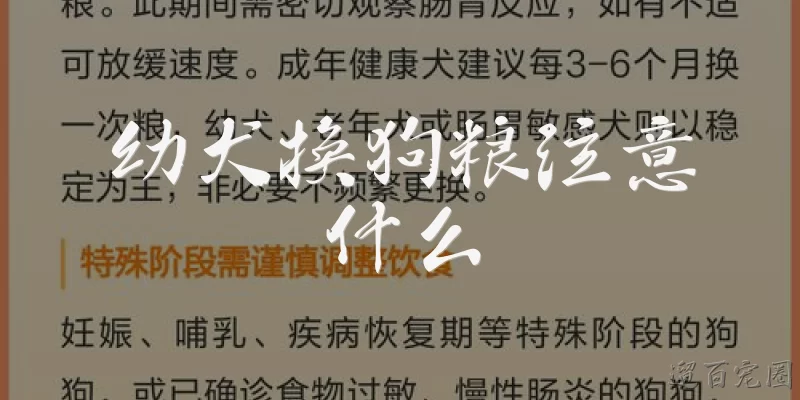
A: The gold-standard method in 2026 remains a slow, gradual transition over 7 to 10 days, and some sensitive dogs need up to two weeks. Start with about 75 percent of the old food and 25 percent of the new food for the first two to three days. If stools stay firm, move to a 50/50 mix for another two to three days, then 25 percent old and 75 percent new, and finally 100 percent new food. Watch your dog's poop every day: it should be well-formed and easy to pick up. If it turns soft or watery, pause at the current ratio or step back to the previous one for a few more days. You can support the transition with a vet-recommended probiotic, canned pumpkin (plain, not pie filling), or a spoonful of plain yogurt if your dog tolerates dairy. Feed smaller, more frequent meals during the switch to reduce the load on the digestive system. Avoid introducing new treats, chews, or table scraps at the same time, because they muddy the picture. If diarrhea lasts more than 48 hours, contains blood or black tarry material, or comes with vomiting, lethargy, or loss of appetite, stop the transition and call your veterinarian promptly.
Q: When is watery diarrhea from a food switch an emergency for my dog?
A: Most transition-related diarrhea is self-limiting, but in 2026 emergency vets still stress that certain red flags mean you should not wait. Seek immediate care if the diarrhea is accompanied by repeated vomiting, a distended or painful abdomen, or if your dog is retching without producing anything, which can signal bloat or a blockage. Blood in the stool, black tarry stool, or diarrhea that looks like raspberry jam are emergencies. Lethargy, weakness, collapse, pale gums, or a body temperature above 103.5°F or below 99°F also require urgent attention. Small breeds, puppies, and seniors dehydrate fast, so even 24 hours of watery diarrhea can become dangerous for them. Watch for dry gums, sunken eyes, loss of skin elasticity, or reduced urination as dehydration signs. If your dog is on medications like steroids or has a chronic condition such as kidney disease, diabetes, or pancreatitis, call your vet at the first loose stool rather than waiting. Also treat any suspected toxin exposure, such as eating garbage, chocolate, xylitol, or spoiled food, as an emergency. When in doubt, a phone call to your vet or a pet poison hotline costs little and can prevent a serious outcome.

Dialogue about
Common scenarios of "Dog switching food causes watery diarrhea"
【Veterinarian】 Hello, thank you for calling the clinic. How can I help you today?
【Pet Owner】 Hi, my dog has been having watery diarrhea since yesterday. I think it might be because I switched his food.
【Veterinarian】 I'm sorry to hear that. When did you switch his food, and how did you transition him?
【Pet Owner】 I switched him two days ago. I just gave him the new food straight without mixing it with the old one.
【Veterinarian】 That abrupt switch can definitely upset his stomach. What are his other symptoms? Is he vomiting, lethargic, or still eating and drinking?
【Pet Owner】 He's not vomiting, and he's still drinking water. He ate a little this morning but seems a bit tired.
【Veterinarian】 Okay, that's good. Watery diarrhea from a sudden diet change is common, but we need to make sure he doesn't get dehydrated. How many times has he had diarrhea today?
【Pet Owner】 About four times so far. It's very watery, no blood or mucus that I can see.
【Veterinarian】 No blood is a good sign. I recommend you stop the new food immediately and go back to his old food. You can also offer small amounts of plain boiled chicken and rice to help settle his stomach.
【Pet Owner】 Should I withhold food completely for a day?
【Veterinarian】 For adult dogs, a 12-24 hour fast can sometimes help, but since he's already a bit tired, it's better to offer small, frequent meals of the bland diet. Make sure he has plenty of water.
【Pet Owner】 Okay, I'll do that. How long should I keep him on the bland diet?
【Veterinarian】 Feed the bland diet for 2-3 days, then gradually mix in his old food over a week. If the diarrhea persists beyond 48 hours or he gets worse, bring him in.
【Pet Owner】 What signs should I watch for that mean I need to bring him in sooner?
【Veterinarian】 Watch for vomiting, blood in the stool, refusal to eat or drink, extreme lethargy, or if he seems painful. Also, if he becomes dehydrated—check his gums; they should be moist and pink.
【Pet Owner】 His gums look okay. Should I give him any over-the-counter medication?
【Veterinarian】 No, never give human medications without consulting a vet. Some can be toxic. Just stick to the bland diet and water.
【Pet Owner】 Alright, I'll go get some chicken and rice. Thank you for your help.
【Veterinarian】 You're welcome. If you have any concerns, don't hesitate to call back. Hope your dog feels better soon!
【Pet Owner】 Thanks, I will. Goodbye.