
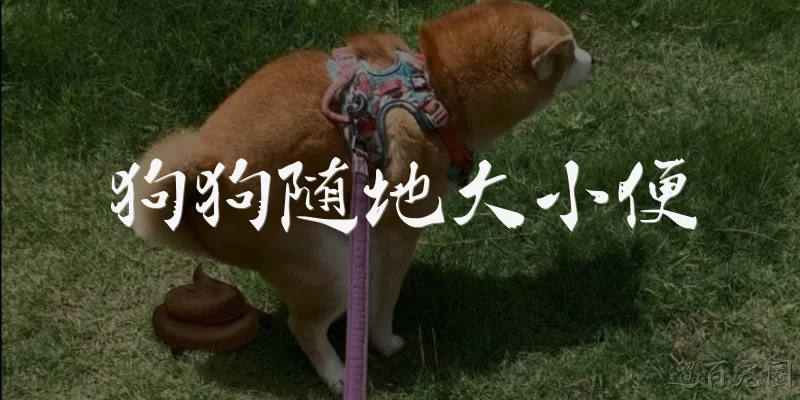
Dogs defecating in public:Why do dogs defecate in public places, and is it a behavioral or health issue?
Q: Why do dogs defecate in public places, and is it a behavioral or health issue?
A: Dogs defecating in public places can stem from both behavioral and health-related causes. Behaviorally, dogs may eliminate in public because they haven't been properly house-trained, feel anxious or stressed in new environments, or are marking territory. Some dogs also learn that eliminating outside is acceptable but don't distinguish between a backyard and a public sidewalk. From a health perspective, gastrointestinal issues such as inflammatory bowel disease, parasites, or food intolerances can lead to urgency and frequent accidents. Additionally, senior dogs may suffer from cognitive dysfunction or incontinence, making it harder for them to hold it until they reach an appropriate spot. Regardless of the cause, it's the owner's responsibility to manage the behavior through training, regular vet check-ups, and consistent potty schedules. When accidents happen in public, owners should always clean up immediately to prevent health hazards and respect community spaces. Ignoring the problem can lead to fines, strained neighborly relations, and potential disease transmission.
Q: What are the health risks associated with dogs defecating in public areas?
A: Dog feces left in public areas pose several health risks to humans, other animals, and the environment. They can carry bacteria like E. coli, Salmonella, and Campylobacter, as well as parasites such as roundworms, hookworms, and Giardia. These pathogens can spread to people, especially children who play in grass or sand where contaminated feces may linger. Rainwater can wash feces into storm drains, polluting waterways and contributing to algal blooms. In addition, the smell and presence of waste attract flies and rodents, which can further spread disease. For other dogs, sniffing or stepping in infected feces can lead to reinfection or transmission of intestinal parasites. Even if the feces appear solid, they can contain microscopic eggs and cysts that survive for weeks. Responsible pet ownership includes picking up after your dog immediately, using biodegradable bags, and disposing of waste in designated trash bins. This simple act protects public health and keeps shared spaces safe for everyone.
Q: How can communities effectively reduce the problem of dogs defecating in public?
A: Reducing dogs defecating in public requires a combination of education, infrastructure, and enforcement. First, communities can launch awareness campaigns about the health risks and legal consequences of leaving dog waste, using signage in parks and along sidewalks. Providing easily accessible waste bags and trash bins at key locations encourages compliance. Some neighborhoods have installed dog waste bag dispensers and even "pet waste only" bins that are regularly emptied. Second, positive reinforcement training for dogs and responsible ownership classes can help. Third, local governments can enact and enforce fines for owners who don't pick up, with patrols or citizen reporting systems. Social pressure also works: neighbors politely reminding each other or organizing volunteer clean-up days can shift norms. Finally, designating off-leash dog parks where elimination is expected and managed can concentrate the issue. By combining these strategies, communities can significantly reduce the nuisance and health hazards of dog feces in public spaces, making them cleaner and more enjoyable for all.
Words of experience
Common scenarios of "Dogs defecating in public"
【Emma】 Hey, did you see that dog poop right on the sidewalk back there? The owner just walked away!
【Jake】 Yeah, I saw it. It's disgusting. People should clean up after their pets.
【Emma】 Exactly! It's not just gross; it's a health hazard. Kids play here.
【Jake】 I know. Some cities have heavy fines for not picking up. Maybe we need more enforcement.
【Emma】 Fines help, but it's also about personal responsibility. Most dog owners are good, but a few ruin it.
【Jake】 True. I always carry bags when I walk my dog. It's not that hard.
【Emma】 I wish more people thought like you. Maybe we should put up signs reminding people to clean up.
【Jake】 Signs could help, but some people ignore them. How about providing more trash cans and bag dispensers?
【Emma】 That's a great idea. Convenience makes a difference. I've seen those in some parks.
【Jake】 Yeah, and they're usually used. It reduces the excuse of not having a bag.
【Emma】 What about education? Maybe schools or community programs can teach kids to be responsible.
【Jake】 Definitely. Starting young helps. But adults need reminders too.
【Emma】 Maybe we can start a neighborhood campaign. Get people involved.
【Jake】 That could work. We can talk to the homeowner association about it.
【Emma】 I'll bring it up at the next meeting. It's worth a shot.
【Jake】 Let me know if you need help. I can design some flyers or something.
【Emma】 Thanks, Jake. Together we can make a difference.
【Jake】 No problem. It's our community, after all.
【Emma】 Exactly. And who knows, maybe other neighborhoods will follow suit.
【Jake】 Fingers crossed. Now, let's hope that owner learns to pick up next time.