
Purebred coyote dog pictures:What should I look for in purebred coyote dog pictures to distinguish them from regular dog photos?
Q: What should I look for in purebred coyote dog pictures to distinguish them from regular dog photos?
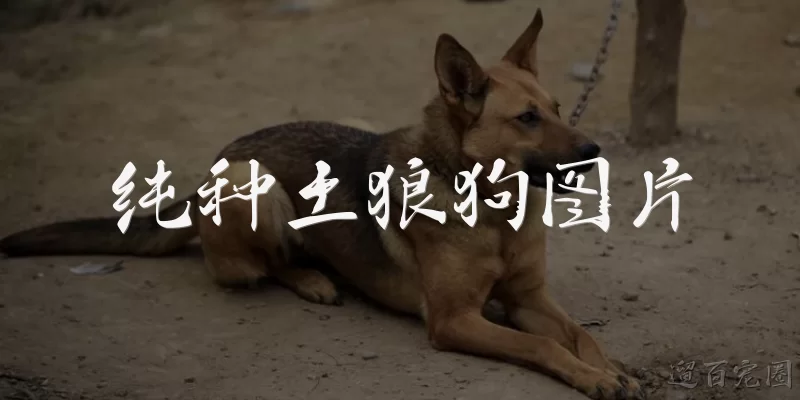
A: When examining purebred coyote dog pictures, focus on specific physical traits that separate them from typical domestic dogs. Look for a narrow, pointed muzzle, large upright triangular ears, and a bushy tail that hangs low rather than curling over the back. Coyote-dog hybrids often display a lean, lanky build with long legs and a relatively slim chest. Their coat coloration usually ranges from grayish-brown to reddish-tan with a distinctive dark saddle and a white-tipped tail. In pictures, pay attention to the eyes, which tend to be more almond-shaped and amber or yellow rather than the rounder, darker eyes of most domestic breeds. Leg markings and paw structure also differ, with coyote-dogs having more compact, cat-like paws. Recognizing these features in photos helps confirm whether an animal is genuinely a coyote-dog hybrid or simply a dog breed that resembles one.
Q: Where can I find reliable purebred coyote dog pictures for research or identification purposes?
A: Finding trustworthy purebred coyote dog pictures requires visiting sources that document hybrid animals with accuracy rather than random social media posts. Wildlife research organizations and university biology departments sometimes publish photographic records of coyote-dog hybrids captured during field studies. Reputable hybrid registries, such as those maintained by organizations focused on coydogs, often include verified photo galleries with detailed descriptions of each animal's lineage. Nature and wildlife photography sites featuring North American canids can also provide high-quality images, though you should check captions for confirmation of hybrid status. Avoid sites that use sensationalized titles or fail to provide background information, as many images labeled as coyote-dogs are actually misidentified domestic breeds or pure coyotes. Cross-referencing multiple sources and reading accompanying text about the animal's known parentage will help ensure the pictures you use are authentic and suitable for serious research or identification work.
Q: Are purebred coyote dog pictures useful for understanding the temperament and behavior of these hybrids?
A: Pictures alone cannot fully reveal temperament, but purebred coyote dog pictures can offer useful behavioral clues when interpreted carefully. Body posture, ear position, and tail carriage in photographs often reflect an animal's state of alertness or fear. Coyote-dog hybrids frequently display a wary, watchful stance even in relaxed settings, with ears swiveled and eyes fixed on distant stimuli, reflecting their wild heritage. Photos showing hybrids in captive or domestic environments can illustrate how they interact with handlers, though such images should be viewed as snapshots rather than definitive behavioral evidence. To truly understand temperament, pictures should be paired with written accounts from experienced owners or researchers describing traits like shyness, prey drive, and difficulty with training. Responsible sources will note that coyote-dogs are not recommended as pets due to unpredictable behavior and strong wild instincts. Used alongside text, pictures can enrich your understanding but should never be the sole basis for judging these complex animals.
Q: How can I tell if purebred coyote dog pictures are authentic or digitally altered?
A: Authenticating purebred coyote dog pictures requires attention to both visual details and metadata. Start by checking the image's source and whether the photographer or organization provides background information about the animal's known lineage. Look for natural inconsistencies: digitally altered images often show mismatched fur textures, unnatural blending around the ears or tail, or lighting that doesn't match across the subject and background. Reverse image searches can reveal whether a picture has been reused under different labels. High-quality authentic photos typically include metadata such as camera model and date, and reputable sources often publish multiple images of the same animal from different angles. Be skeptical of overly dramatic compositions, perfect studio lighting, or images that seem designed to exaggerate wild features. Comparing the animal's proportions against known coyote and dog anatomy also helps. When in doubt, contact the source directly and ask about the animal's documented parentage, as verified hybrid photos usually come with detailed provenance information.
Words of experience
Common scenarios of "Purebred coyote dog pictures"
【User】 Hi, I'm looking for pictures of purebred coyote dogs. Can you help me find some?
【Assistant】 I can certainly help you search! Just to clarify, 'coyote dog' usually refers to a coydog—a hybrid between a coyote and a domestic dog. True purebred coyote dogs don't technically exist since coyotes aren't domesticated breeds. Would you like coydog pictures instead?
【User】 Oh, I didn't know that. Yes, coydog pictures would be great. Where can I find good ones?
【Assistant】 You can find coydog photos on wildlife rescue sites, animal hybrid forums, and stock photo platforms. I'd recommend checking reputable sources like sanctuaries that document coydogs, since random internet images are often mislabeled.
【User】 That makes sense. Are there any specific sanctuaries or websites you'd suggest?
【Assistant】 Some wildlife education centers and exotic animal sanctuaries post documented coydog images. I'd suggest searching for accredited wildlife rehab organizations, though availability varies. Always verify the source's credibility before trusting labels.
【User】 Got it. By the way, how can you tell a coydog from a regular dog in photos?
【Assistant】 Good question! Coydogs often show a mix of traits: coyote-like narrow snout, larger pointed ears, a bushy tail, and varied coat patterns. But visual identification is unreliable—only genetic testing confirms a hybrid.
【User】 Interesting. So even if a picture is labeled 'coyote dog,' it might not be one?
【Assistant】 Exactly. Many images online are mislabeled, and some 'coyote dogs' are just dogs with coyote-like features. Without DNA testing, labels are often guesswork, so treat online photos with caution.
【User】 That's a good warning. Are coydogs even legal to own in most places?
【Assistant】 Laws vary widely. Many regions restrict or prohibit owning coyote hybrids due to wildlife regulations. I'd recommend checking your local wildlife authority before considering one—and pictures are a safer way to appreciate them anyway!
【User】 Ha, agreed. Do you have any tips for searching better keywords to find accurate photos?
【Assistant】 Try terms like 'documented coydog,' 'coyote-dog hybrid rescue,' or 'wildlife center coydog.' Adding words like 'verified' or 'sanctuary' can help filter out mislabeled pet photos.
【User】 Nice, I'll try those. What about image quality—are there high-resolution options?
【Assistant】 Stock photo sites often have high-resolution wildlife images, though true coydog shots are rarer. Wildlife photography portfolios and sanctuary press kits sometimes offer high-quality, documented images.
【User】 Thanks. One more thing—are there any ethical concerns about sharing these pictures?
【Assistant】 Good to consider. Avoid images from breeders promoting hybrids, and credit photographers or sanctuaries properly. Also, don't share images that encourage owning wildlife hybrids, since that can be harmful.
【User】 That's thoughtful. So focusing on educational or conservation sources is best?
【Assistant】 Exactly. Conservation and education sources present coydogs responsibly, emphasizing they're wild hybrids, not pets. It keeps the focus on awareness rather than novelty.
【User】 Makes sense. I think I have enough to start searching. Thanks for the guidance!
【Assistant】 You're welcome! Enjoy exploring—and remember, verified sources are your best bet for accurate coydog pictures. Feel free to ask if you need more search tips.