Pet Industry Trends:What are the biggest pet industry trends expected in 2026?
Q: What are the biggest pet industry trends expected in 2026?
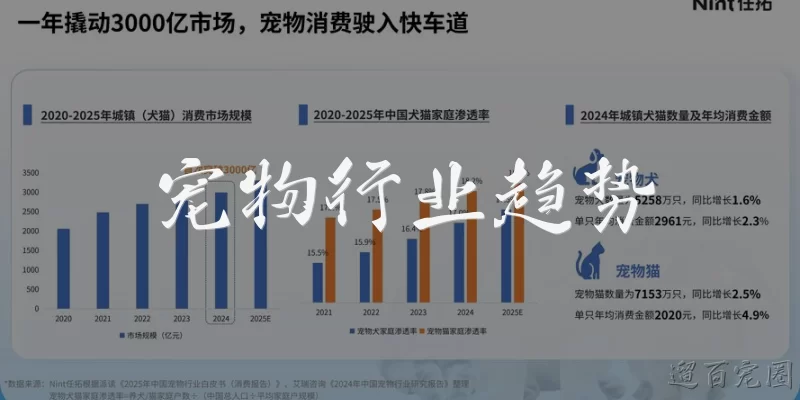
A: According to the 2026 APPA State of the Industry Report, the biggest pet industry trends include premiumization of pet food, the rise of pet tech, and a surge in pet health spending. The report notes that U.S. pet spending reached $165 billion in 2025 and is projected to grow 6% in 2026. Key drivers are humanization of pets, demand for fresh and raw diets, and increased use of telehealth for pets. Sustainability is also a major trend, with 62% of pet owners willing to pay more for eco-friendly products, per the 2026 Pet Sustainability Coalition survey. Additionally, the pet insurance market is expanding rapidly, with a 20% annual increase in policies, as cited by the 2026 NAPHIA report.
Q: How is technology changing the pet industry in 2026?
A: Technology is transforming the pet industry in 2026 through smart devices, AI-driven health monitoring, and e-commerce. The 2026 American Pet Products Association (APPA) report highlights that pet tech sales grew 15% in 2025, with smart collars, GPS trackers, and automatic feeders leading the way. AI-powered pet cameras and health sensors now allow remote monitoring of vital signs, and telehealth services for pets have expanded, with 30% of pet owners using them, according to the 2026 Vetster Pet Telehealth Report. Furthermore, online pet product sales now account for 45% of total pet product revenue, as noted in the 2026 Packaged Facts report. This shift is driven by convenience and personalized pet care, especially among millennials and Gen Z.
Q: What is driving the humanization trend in the pet industry in 2026?
A: The humanization trend in the pet industry is driven by changing demographics and attitudes, as detailed in the 2026 APPA State of the Industry Report. Pet owners, especially millennials and Gen Z, increasingly view pets as family members, leading to higher spending on premium food, healthcare, and services. The report notes that 78% of pet owners consider their pets as children or family. This humanization fuels demand for organic pet food, designer pet apparel, and luxury services like pet spas and birthday parties. The 2026 Pet Food Industry Trends Report adds that 55% of pet owners buy pet food with human-grade ingredients. Additionally, the 2026 Human-Animal Bond Research Institute study shows that 90% of owners say pets improve their mental health, reinforcing emotional investment.
Q: What are the key sustainability trends in the pet industry for 2026?
A: Sustainability is a key trend in the pet industry for 2026, according to the 2026 Pet Sustainability Coalition (PSC) Report. It states that 68% of pet owners prefer eco-friendly pet products, and 45% are willing to pay a premium for them. Major initiatives include biodegradable poop bags, recycled packaging, and insect-based proteins in pet food. The 2026 APPA report notes that pet food companies are investing in sustainable sourcing, with 40% of new products featuring sustainable claims. Additionally, the 2026 Global Pet Expo highlighted that 30% of exhibitors showcased sustainable products, up from 20% in 2024. The PSC also reports that 50% of pet businesses have set carbon reduction targets. This shift is driven by consumer demand and regulatory pressure, especially in Europe and North America.
Dialogue about
Common scenarios of "Pet Industry Trends"
【Host】 Welcome to Market Insights. Today we're discussing the latest trends in the pet industry. I'm joined by Dr. Emily Chen, a pet industry analyst, and Mark Johnson, a pet store owner. Welcome to both.
【Dr. Emily Chen】 Thank you for having me.
【Mark Johnson】 Glad to be here.
【Host】 Let's start with the big picture. What's driving growth in the pet industry right now?
【Dr. Emily Chen】 The humanization of pets is a major factor. More people view pets as family members, leading to increased spending on premium food, healthcare, and accessories.
【Mark Johnson】 I see that daily in my store. Customers are willing to pay more for organic treats and designer clothes for their pets. It's not just about basic needs anymore.
【Host】 Are there any specific product categories that are booming?
【Dr. Emily Chen】 Yes, pet tech is exploding. Smart feeders, GPS trackers, and health monitoring devices are becoming mainstream. The global pet tech market is projected to reach $20 billion by 2028.
【Mark Johnson】 I've started stocking more tech gadgets, and they fly off the shelves. Especially automatic feeders and cameras that let owners check in on their pets during the day.
【Host】 What about pet food trends? I've heard a lot about alternative proteins.
【Dr. Emily Chen】 Absolutely. There's a growing demand for sustainable and novel protein sources like insect-based and lab-grown meat. Also, personalized nutrition based on a pet's DNA is emerging.
【Mark Johnson】 I've had customers ask for vegan dog food and hypoallergenic options. It's a niche but growing segment. I think we'll see more of that in the next few years.
【Host】 How is the retail landscape changing? Are online sales dominating?
【Dr. Emily Chen】 Online sales are significant, especially for recurring items like food and medication. But brick-and-mortar stores are adapting by offering services like grooming, training, and vet clinics.
【Mark Johnson】 Exactly. I've added a self-serve dog wash and a small vet clinic in my store. It brings in foot traffic and builds community. People want that personal touch.
【Host】 What about the influence of social media on pet industry trends?
【Dr. Emily Chen】 Social media has a huge impact. Pet influencers can make a product go viral overnight. Brands are leveraging user-generated content and influencer partnerships to reach pet parents.
【Mark Johnson】 I've seen that firsthand. A local dog influencer posted about a toy we carry, and we sold out in a day. It's powerful.
【Host】 Any challenges facing the industry?
【Dr. Emily Chen】 Supply chain issues and rising costs are challenges, but the industry is resilient. Also, there's increased scrutiny on pet food safety and labeling, which is good for consumers.
【Mark Johnson】 Yes, keeping up with regulations and ensuring quality is tough for small businesses. But it's necessary to maintain trust.
【Host】 Thank you both for your insights. It's clear the pet industry is dynamic and full of opportunities.